Cupcake Toppers Mockup: Valentines Day Graphics for Labels Amp
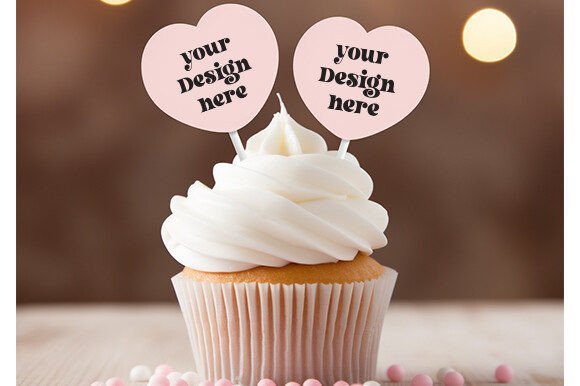
As a digital publisher and blog designer who has spent years curating visual assets for high-traffic content sites, I approach every new graphic design asset with a critical eye. It is not enough for an image to simply look pretty; it must perform. It needs to hold up under the scrutiny of a skeptical reader, load quickly on mobile devices, and integrate seamlessly into a broader brand identity. Recently, I reviewed the Cupcake Toppers Mockup Valentines Day, a specialized tool designed for showcasing custom illustrations and designs. For publishers operating in the lifestyle, baking, craft, or seasonal niches, this asset offers more than just aesthetic appeal—it provides a structured way to present digital products with professionalism and clarity.
First Impressions: Setting the Editorial Mood
The immediate impact of the Cupcake Toppers Mockup Valentines Day is one of warmth and approachability. In the world of editorial design, mood is everything. When a reader lands on a page featuring Valentine’s Day content, they are often looking for inspiration that feels personal, handmade, and celebratory. This mockup delivers that sentiment effectively. It moves away from the sterile, corporate look of standard stock photography and embraces a softer, more artistic vibe.
For a blogger or small business owner, this distinction is crucial. The asset feels inherently lifestyle-focused and decorative, making it an ideal fit for niches such as home baking, party planning, DIY crafts, and seasonal gift guides. By using this specific visual style, you signal to your audience that your content is curated with care. It supports a narrative of creativity and attention to detail, which are key drivers of reader trust in the food and craft sectors.
Integrating the Asset into Real Publishing Workflows
The true value of any digital download lies in its versatility. The description notes that this mock-up allows you to easily show illustrations, SVG cut files, watercolors, or drawings to clients. From a publisher’s perspective, I see even broader applications. Here is how I would integrate this asset into a real-world content strategy:
- Pinterest Pins: Pinterest is a visual search engine where vertical imagery thrives. Using this mockup to create tall, eye-catching pins for Valentine’s recipes or craft tutorials can significantly boost click-through rates. The clear focal point of the cupcake topper draws the eye immediately.
- Blog Featured Images: A strong hero image sets the tone for the entire article. Placing this mockup at the top of a post about "Easy Valentine Treats" creates an instant connection with the topic, reducing bounce rates by confirming relevance.
- Digital Product Previews: If you sell printable designs or SVG files, this mockup acts as a virtual display case. It helps potential buyers visualize the end result, which is essential for converting browsers into buyers in a creative marketplace.
- Newsletter Headers: Email marketing relies heavily on visual engagement. Incorporating this graphic into your February newsletter can increase open rates and keep your subscribers engaged with seasonal content.
Enhancing Visual Hierarchy and Reader Trust
In web design, visual hierarchy dictates how a user processes information. A cluttered or low-quality image can disrupt this flow, causing readers to leave. The Cupcake Toppers Mockup Valentines Day aids in establishing a clear hierarchy by providing a clean, uncluttered background that highlights the main subject—your design.
When used correctly, this asset improves the perceived quality of your content. Readers subconsciously associate high-quality visuals with high-quality information. By presenting your printable design or recipe within a professional mockup, you elevate the perceived value of your offer. This is particularly important for affiliate marketing, where trust is the currency. If your product recommendations look polished and professional, readers are more likely to click through and make a purchase.
Strategic Placement for Maximum Impact
To get the most out of this design asset, consider where it will have the greatest effect. It works best as a hero image or a primary thumbnail where it can be seen in detail. It is also excellent for social media graphics, particularly on platforms like Instagram and Facebook, where square or portrait orientations are preferred. However, it can also serve as an editorial accent within long-form content, breaking up text and providing visual relief.
For those creating a digital guide or eBook, this mockup can be used on the cover or within chapter headers to maintain a consistent theme. It helps tie together various elements of your content marketing strategy, ensuring that your blog, social media, and email communications all speak the same visual language.
Cautionary Notes: Where to Use Carefully
While this asset is powerful, it is not a one-size-fits-all solution. As an experienced designer, I advise caution in certain contexts. First, avoid using it in serious professional niches such as finance, law, or corporate consulting. The playful, sweet aesthetic clashes with the tone required for those industries.
Second, be mindful of scale. On small mobile thumbnails, intricate details of the topper design may get lost. Always test how the image looks when resized. If the details become muddy, simplify the design you place within the mockup. Additionally, avoid placing heavy text over the image. The mockup already has visual weight; adding too much typography can create a chaotic layout that hurts readability. Ensure there is sufficient contrast between your text and the background elements of the mockup.
Practical Publisher Notes for Implementation
Before publishing, take the time to optimize the asset for web performance. Large image files can slow down your site, negatively impacting SEO and user experience. Compress the images properly without sacrificing quality. Test the mockup on both desktop and mobile screens to ensure it remains visually appealing across all devices.
Experiment with typography. Try placing your headline beside serif, sans-serif, script, and handwritten fonts to see which combination best complements the modern design of the mockup. Often, a clean sans-serif font provides a nice counterpoint to the decorative nature of the cupcake topper. Finally, always confirm the commercial licensing terms. Ensure you have the right to use the asset on monetized websites, affiliate pages, or in paid content products. Protecting your legal standing is just as important as protecting your visual brand.
In conclusion, the Cupcake Toppers Mockup Valentines Day is a valuable addition to the toolkit of any content creator in the lifestyle space. It bridges the gap between raw design files and polished, publish-ready content. By understanding its strengths and limitations, you can use it to enhance your small business branding, improve engagement, and create a more cohesive and professional online presence. Whether you are designing a Canva template, a lead magnet, or a simple blog post, this asset provides the visual polish needed to stand out in a crowded digital landscape.